
check_circle Purchase Complete
Thank you for your purchase!
photo_camera Photo Ready! - Click to expand
Complete your purchase to download your official passport photo.
Schengen Visa Photo for Baby & Children: Official Rules & How to Take it at Home
Getting a compliant biometric photo of a wriggling baby or active toddler is one of the trickiest parts of a Schengen visa application. European consulates do recognize that babies are not professional models – special age-based exceptions exist.
This guide explains the official age-based exceptions, how to handle incorrect rejections at visa centers, and how to take a perfect child visa photo at home using just your smartphone.
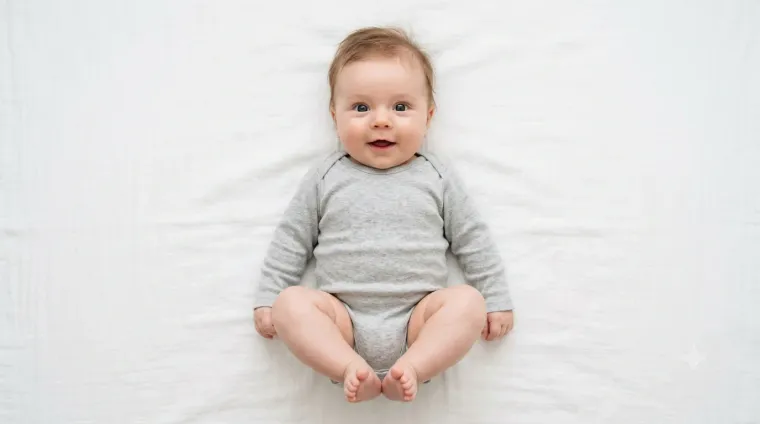
Official Schengen Visa Photo Rules by Age Group
Children's visa photos must be 35×45mm on high-quality photo paper with a plain, light, shadow-free background – the same as adults. However, official guidelines from the German Federal Ministry of the Interior relax biometric requirements based on the child's age:
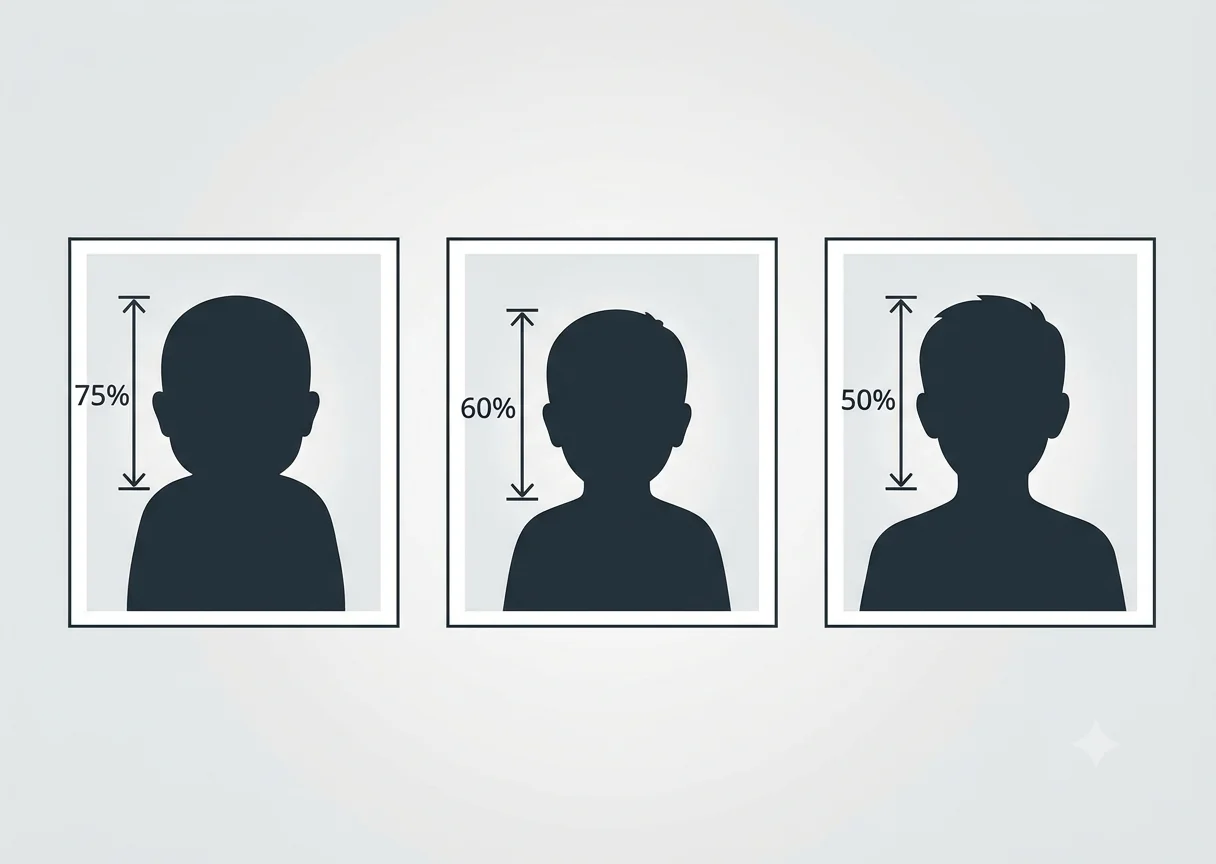
Strict Rule for All Ages: No adult hands, fingers, toys, pacifiers, headbands, or second persons are permitted in the photo. If you support your baby, your hands and body must be completely hidden or removed from the frame.
What to Do If Visa Staff Reject Your Child's Photo
Staff at visa centers like VFS Global or TLScontact sometimes incorrectly evaluate a toddler's photo using strict adult standards. If an officer claims your young child's photo is non-compliant due to a slight head tilt or open mouth:
Mention the Age Exception
Politely explain that for children under 6, official German and Schengen guidelines explicitly permit exceptions for head posture, eye direction, and facial expression.
Refer to the Official Fotomustertafel
Ask them to verify the rules in the official sample photo chart (Fotomustertafel) provided by the German Federal Ministry of the Interior or the German Federal Foreign Office.
Point to the Children's Section
The Fotomustertafel explicitly states under the "Kinder" section that for children under 6, exceptions are permitted for head position, facial expression, and eye visibility.
Common Mistakes Parents Make
Most rejected baby photos fail because of avoidable setup errors, not the child's facial expression.
Visible Adult Support
Holding an infant by the shoulders where your fingers show against their outfit or collar.
Pacifiers & Accessories
Leaving a dummy, bib, headband, or large hair clips on the child during the shot.
Distracting Backgrounds
Shadows, furniture, or coloured blankets behind the child's head. Our tool automatically removes the background – no plain wall needed!
Poor Lighting
Shooting under warm yellow indoor lights creates heavy shadows and uneven skin tones. Use natural daylight from a window.
How to Take a Baby Visa Photo at Home
Doing it at home gives you unlimited attempts to capture a front-facing shot when your child is happy and rested – no studio visit required.
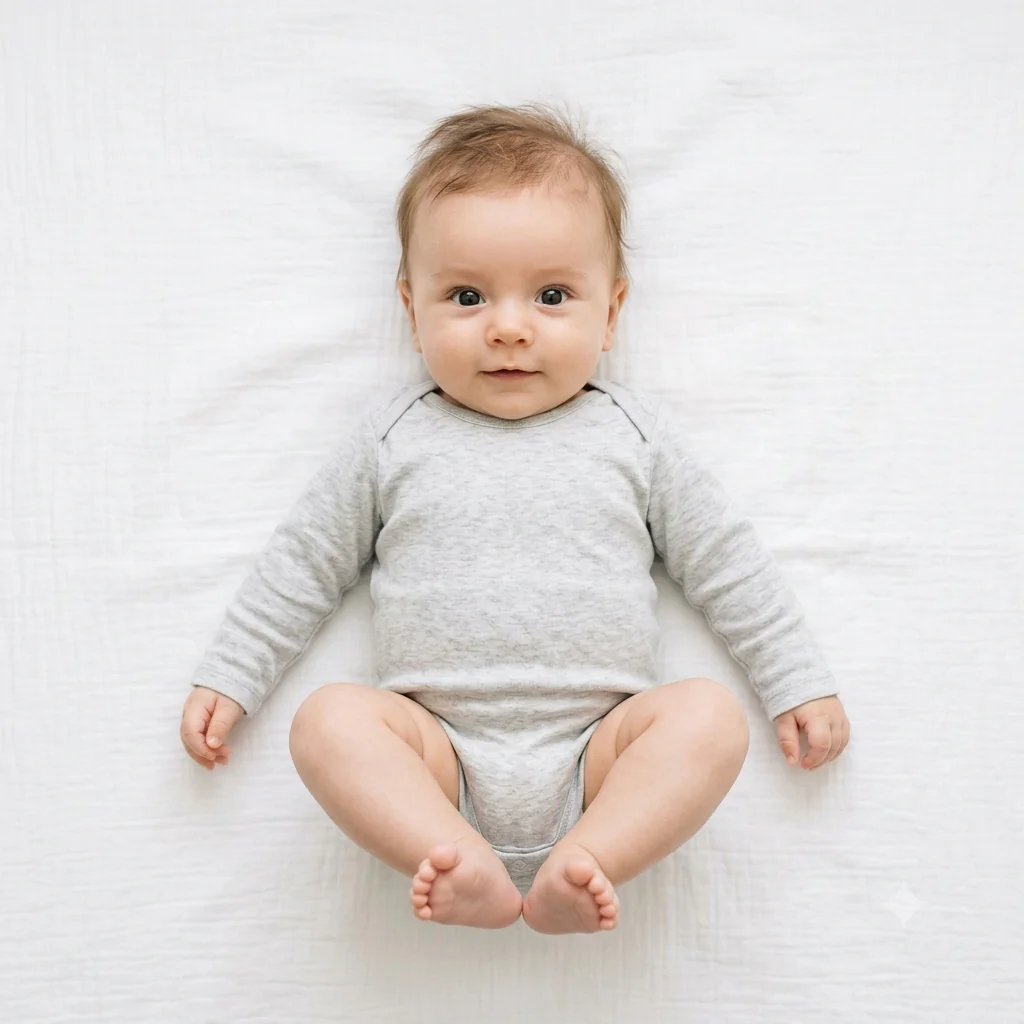 For newborns & infants
Set Up the Lying-Down Position
Lay your baby flat on their back on a bed, sofa, or playmat. Don't worry about blanket patterns or background colors – our tool will strip them out completely.
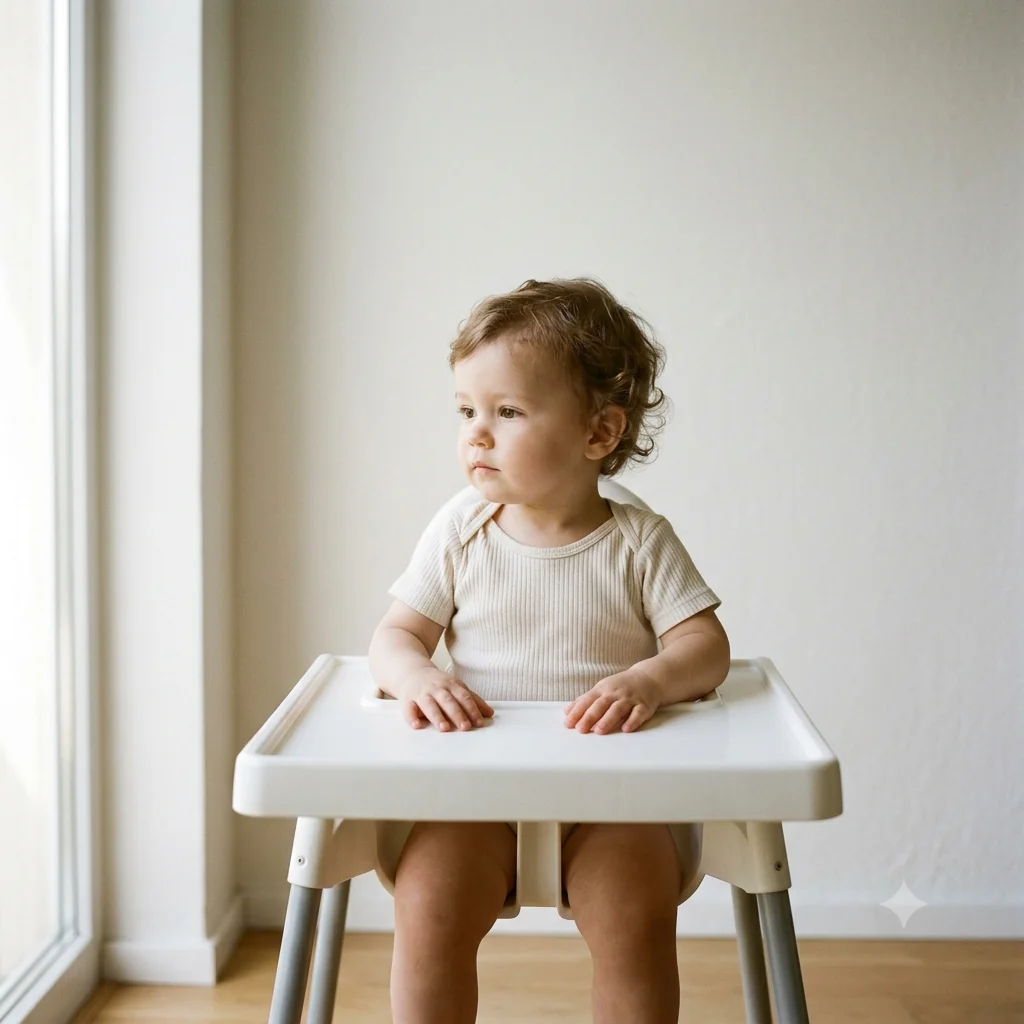 For toddlers
The High Chair Trick
Place your toddler in a high chair or car seat facing natural daylight from a nearby window. Remove any bib, toy, or headband first.
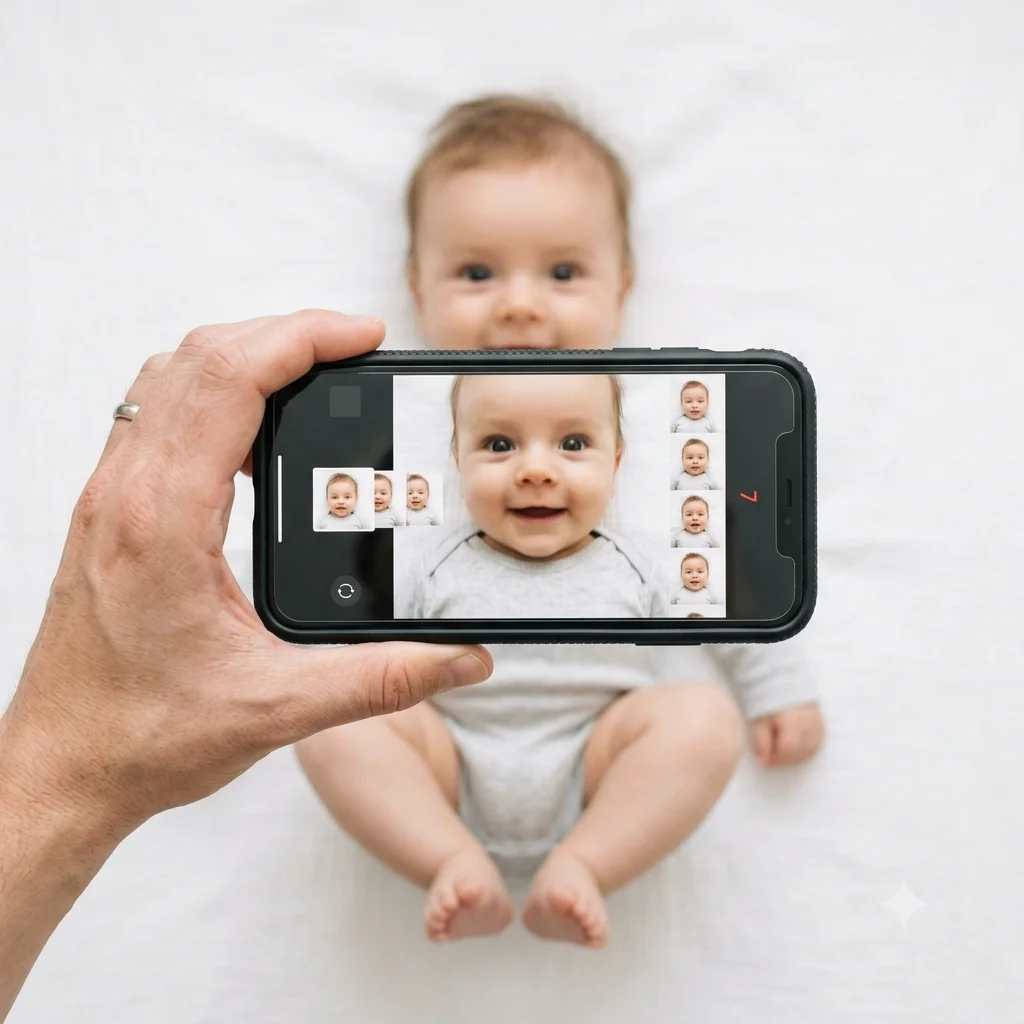 Camera technique
Snap from Above or Eye Level
Stand directly above your lying baby or sit opposite your toddler. Use a rattle or sound near the lens to get them looking straight ahead with eyes open. Take 10–15 rapid shots in burst mode.
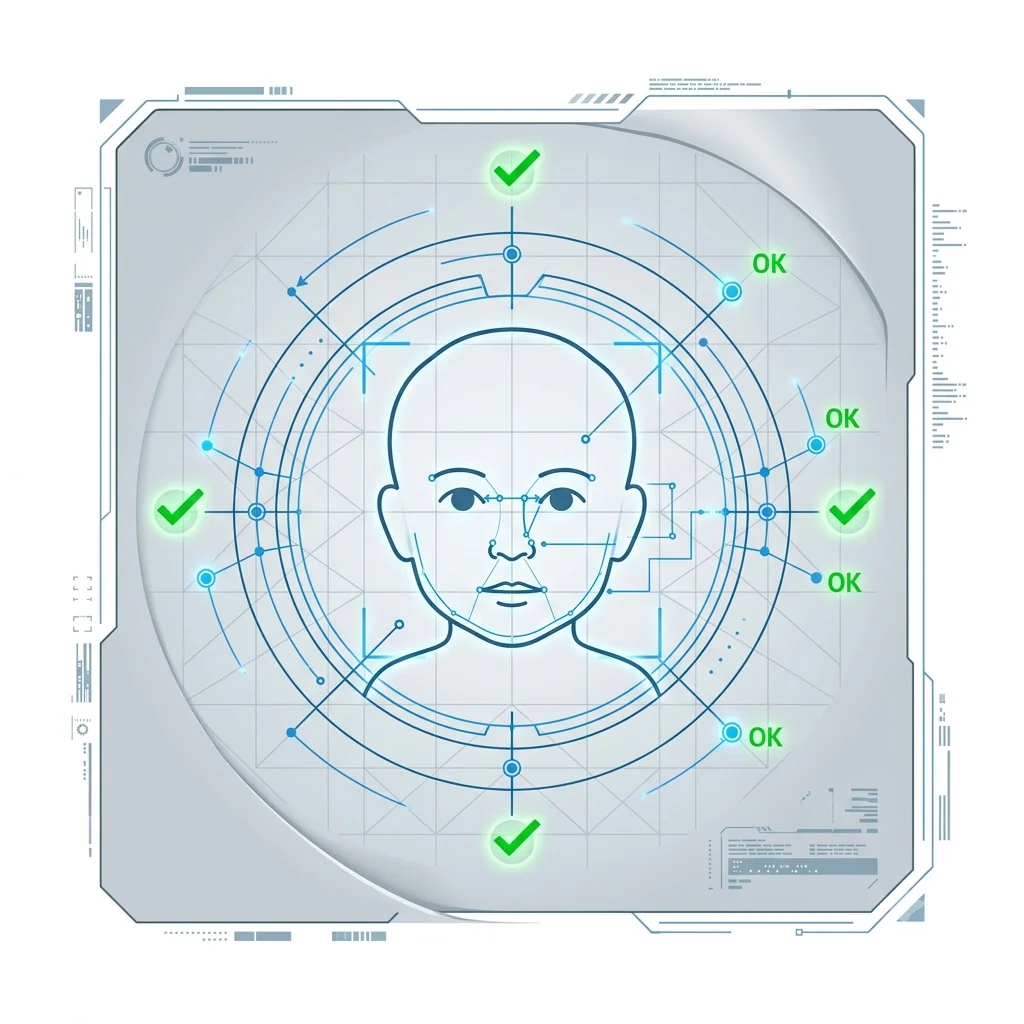 Automatic formatting
Upload to Passbild Selbermachen
Upload your best photo. Our AI removes the background, applies a compliant light background, verifies child face sizing (50–80%), and formats to exact 35×45mm Schengen specifications.
Official Guidelines Reference
Print or save these official resources to show staff at your visa appointment if needed: